Fall roof inspection in Phoenix

Your Essential Fall Roof Maintenance Checklist: Protecting Phoenix and Tucson Homes After Monsoon Season

November's perfect weather creates the ideal window for critical roof maintenance. Learn how to protect your investment and avoid costly winter surprises with our post-monsoon inspection guide.

Keith Webb
November 8, 2025
8 min read
fall maintenancepost-monsoonroof inspectionPhoenix roofingTucson roofingpreventive maintenance
Share this insight:

Why November Is Your Roof's Most Critical Month

After 15+ years serving Arizona homeowners, we've learned that November separates the roofs that last from those that fail prematurely. With monsoon season officially behind us and temperatures hovering in the pleasant 70s, this narrow window offers perfect conditions for identifying damage before winter's temperature swings stress your roofing system further. Last week alone, we discovered significant hidden damage on three homes in Chandler and Mesa that would have led to interior leaks by January.

Homeowners who skip fall maintenance often face significantly higher repair costs by spring. Post-monsoon inspections aren't optional in Arizona—they're essential protection for your largest investment.

The 8-Point Post-Monsoon Inspection

Monsoon winds and dust storms create specific damage patterns that aren't always visible from the ground. Here's what we examine on every fall inspection across Scottsdale, Gilbert, Oro Valley, and Marana:
  • Tile displacement and micro-cracks: High winds can shift tiles mere centimeters—enough to compromise waterproofing but not obvious to the untrained eye
  • Underlayment exposure: UV damage from summer combined with monsoon moisture accelerates deterioration, particularly on south and west-facing slopes
  • Valley and flashing integrity: Where two roof planes meet, seasonal expansion and contraction create separation points that demand immediate attention
  • Gutter and drainage system clogs: Haboob dust mixed with monsoon debris creates concrete-like blockages that redirect water under tile edges
  • Attic ventilation screens: Dust infiltration reduces airflow efficiency by up to 40%, trapping heat and moisture that degrades your roof from beneath
  • Penetration seals around vents and skylights: Temperature cycling causes sealant breakdown—these are prime leak sources once winter rains arrive
  • Ridge cap security: Wind uplift during monsoons often loosens ridge tiles without dislodging them completely, creating future failure points
  • Fascia and soffit conditions: Monsoon moisture exposure reveals wood rot issues that will worsen rapidly during cooler, damper winter months

Material-Specific Maintenance: Tile, Shingle, and Flat Roofs

Different roofing materials require unique fall maintenance approaches. Our GAF Master Elite certification and exclusive access to Westlake materials means we understand exactly how each system responds to Arizona's seasonal transitions.

Concrete and Clay Tile (Westlake Products)

Tile roofs are the predominant choice in Scottsdale and Paradise Valley for good reason—they're built for our climate. However, the underlayment beneath tiles takes the real beating during monsoons. We check for ponding water evidence, verify tile-to-tile contact points, and assess whether the mortar at hip and ridge lines needs reinforcement. With Westlake's 50-year tile warranty, protecting the underlayment ensures your investment reaches its full lifespan.

Asphalt Shingles (GAF Timberline)

GAF's advanced shingle technology handles Arizona heat remarkably well, but monsoon winds test their wind resistance limits. We examine granule loss patterns, check for lifted corners where dust accumulation creates wind channels, and verify that the nail pattern remains secure. Our Master Elite status gives us access to GAF's 50-year System Plus warranty, but only if we catch and repair minor damage before it compromises the entire system.

Flat and Low-Slope Roofs

Flat roofs in Tucson's Catalina Foothills face unique challenges—they can't shed monsoon water quickly, and haboob dust creates ponding issues. November maintenance focuses on drainage scuppers, membrane seam integrity, and reflective coating condition. Many homeowners don't realize their flat roof needs attention until water enters living spaces, making fall inspections absolutely critical.
🌡️
73°F
Average November Temperature—Perfect for Roof Work
📅
3-5 Days
Current Wait Time for Fall Inspections
2-3 Weeks
Wait Time by Late December

The Winter Prep Advantage: Why Act Now

Arizona's winter might seem mild, but temperature fluctuations between 40°F nights and 70°F days create expansion-contraction cycles that exploit any weakness monsoons created. A tiny crack in November becomes a significant leak by February. We've seen this pattern repeat across thousands of homes from Gilbert to Glendale.
Additionally, scheduling flexibility decreases dramatically once winter weather arrives. Our current wait time for inspections is 3-5 days. By late December, that stretches to 2-3 weeks as homeowners discover problems reactively rather than proactively.

What a Professional Fall Inspection Includes

When Vero Exteriors conducts your fall inspection, you're not getting a quick visual scan. Our GAF Master Elite certification requires comprehensive documentation and specific protocols. Here's what you receive:
  • Complete photographic documentation of your roof's current condition with specific problem areas highlighted
  • Detailed written assessment noting any monsoon damage, wear patterns, and priority repair recommendations
  • Warranty status review—many homeowners don't realize they have coverage for storm damage under existing warranties
  • Cost estimates for recommended repairs with financing options clearly explained
  • Timeline recommendations based on urgency, allowing you to plan and budget appropriately

"We had no idea our tile roof was damaged until Vero's November inspection. They found cracked tiles and compromised flashing that would have caused major problems. The repair was covered under our warranty, and they handled everything professionally."

Verified Homeowner- Chandler, AZ

DIY Pre-Inspection Checklist

While professional inspection remains essential, homeowners can identify obvious issues with these safe, ground-level observations:
  • Use binoculars to check for missing or displaced tiles—look for inconsistent patterns or color differences indicating exposed underlayment
  • Walk your property perimeter checking for granules in gutters (shingle roofs) or tile fragments in landscape beds
  • Examine interior ceilings for new water stains, particularly in rooms below the roof and around skylights
  • Check attic spaces for daylight visible through gaps, or signs of moisture like discolored insulation or mold growth
  • Document any observations with photos and dates—this helps our team target specific concerns during inspection

Never walk on your roof or climb ladders for inspection. The risk of injury far outweighs any cost savings, and improper roof walking can cause more damage than monsoons created. Leave elevation work to insured professionals with proper equipment.

Investment Protection Through Maintenance

A full roof replacement represents a significant investment, while typical post-monsoon repairs cost a fraction of that amount. The mathematics are simple: spending modestly now on maintenance prevents spending dramatically later on major repairs. More importantly, documented maintenance preserves your warranty coverage—both manufacturer warranties from GAF or Westlake and our installation warranty require reasonable upkeep.

Financing Fall Repairs

If your fall inspection reveals more extensive damage requiring immediate attention, we offer flexible financing through partners including GoodLeap, PowerPay, Foundation Finance, and Slice. Zero-down payment options, terms from 12 to 180 months, and approval decisions within 24-48 hours mean you don't have to choose between your roof and your budget. Many homeowners use financing strategically—addressing urgent repairs now while planning full replacement for next spring's ideal installation season.

Schedule Your Free Fall Roof Inspection

Don't wait until damage becomes disaster. Our GAF Master Elite certified team provides comprehensive inspections at no cost, with same-day appointment availability in most areas. Protect your investment before winter weather arrives.

Related Insights

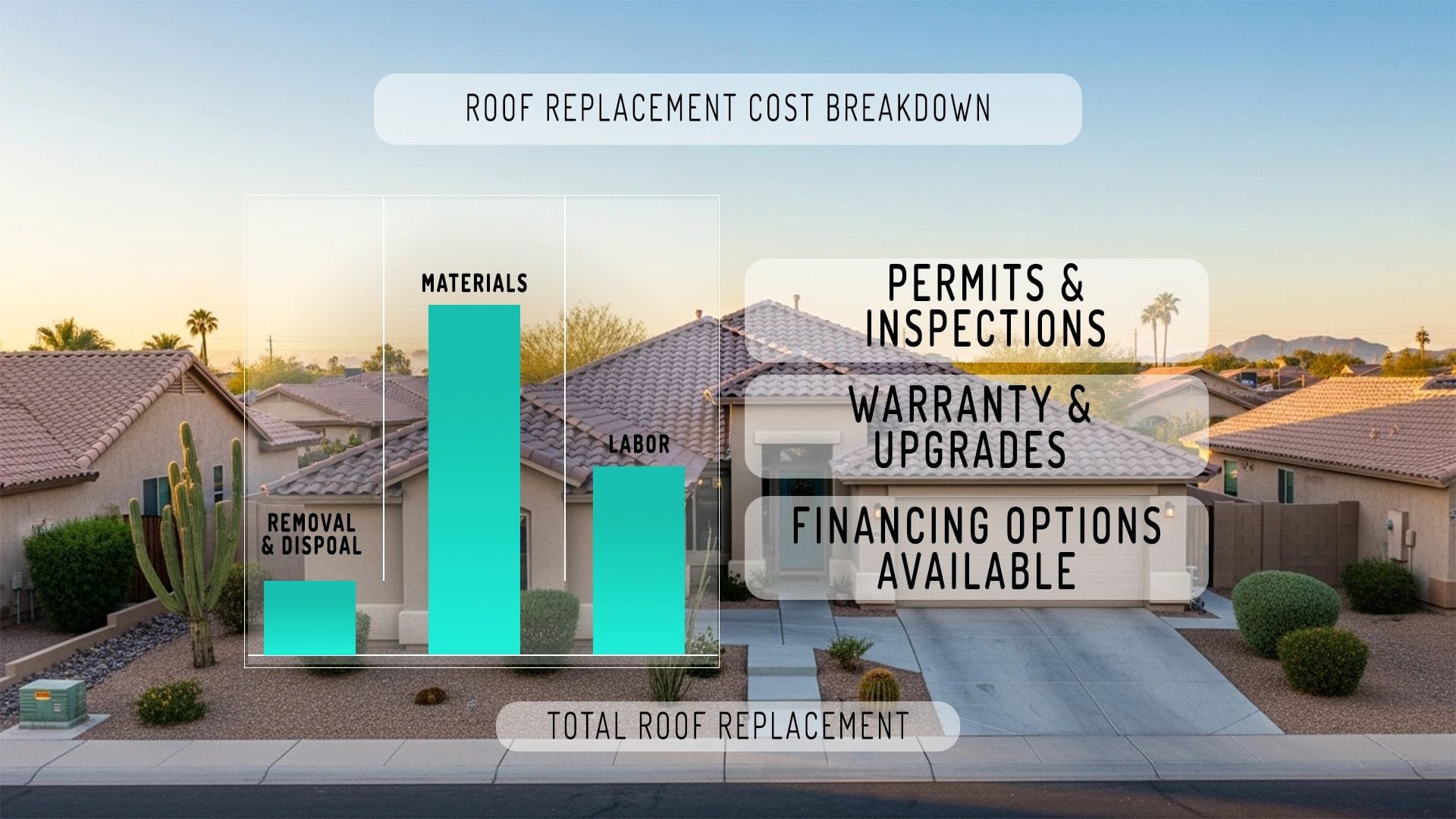
Roof replacement cost breakdown Arizona

Understanding Roof Replacement Value in Phoenix and Tucson: A Comprehensive 2025 Guide

Confused by wildly different roof replacement quotes? Learn what drives value, how to compare contractors fairly, why the cheapest bid often becomes the most expensive mistake, and how flexible financing makes quality accessible.

Read More
Arizona home roof under winter storm clouds

Winter Rain in Phoenix: 7 Roof Checks That Prevent Surprise Leaks

Arizona's winter storms can expose small roof issues fast. Use this quick checklist to prevent ceiling stains, attic moisture, and emergency repairs, especially on tile and shingle systems common in Phoenix metro.

Read More
Tile roof underlayment replacement Arizona

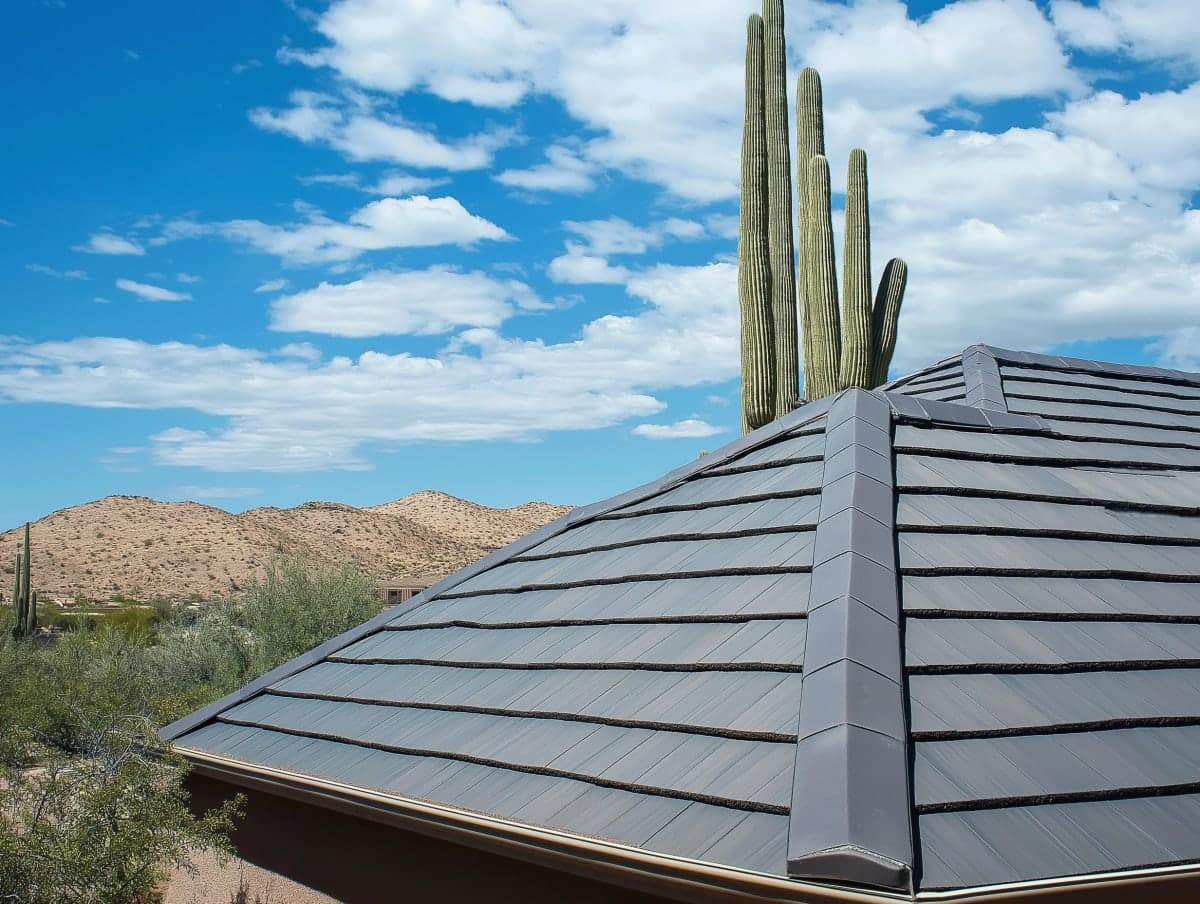
Tile Roof Underlayment Replacement: The 15-Year Maintenance Phoenix Homeowners Keep Ignoring

Your tile roof might last 50 years, but the underlayment beneath it needs replacement every 15-20 years. Learn why this critical maintenance prevents catastrophic leaks and how to recognize the warning signs.

Read More