Cool Roof Options: From Shingles to Tiles to Coatings
Reflective Shingles (GAF Timberline HDZ RS)
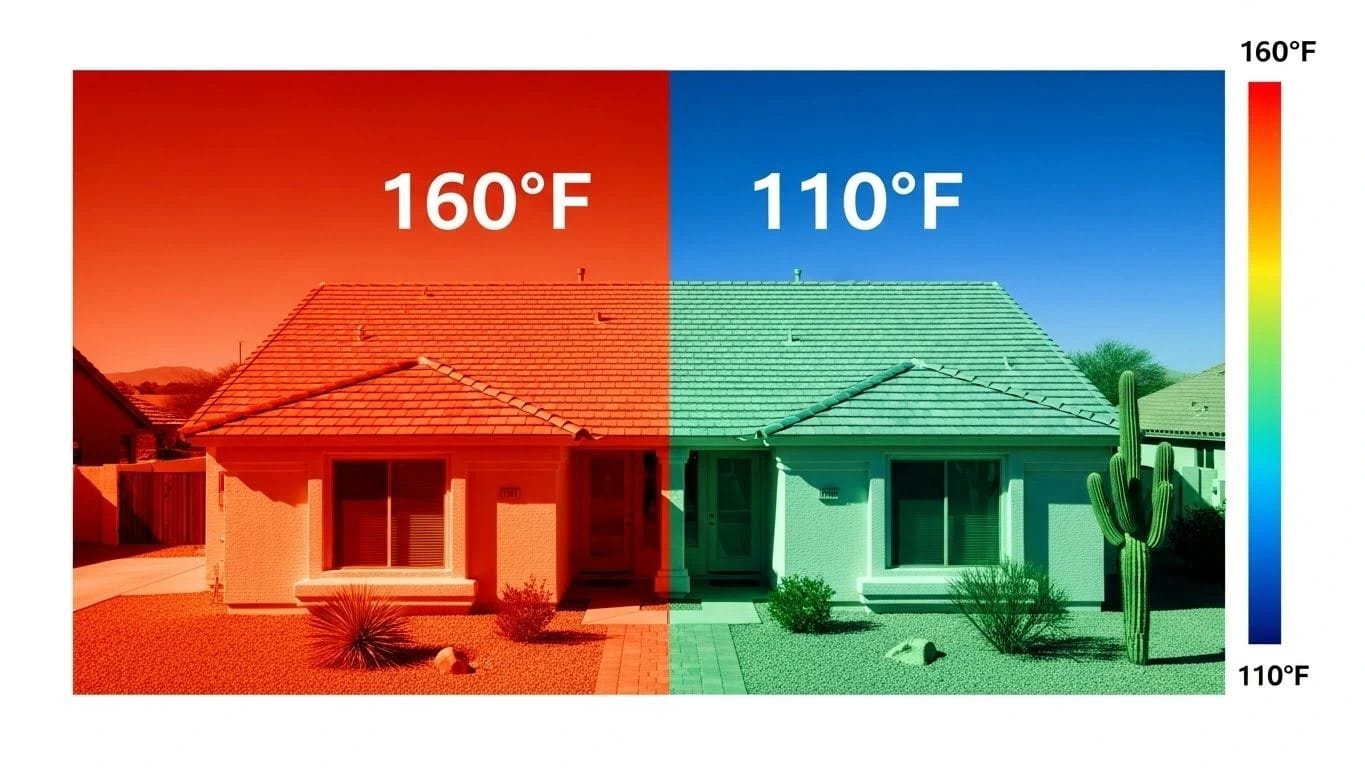
GAF's cool roof shingles utilize special granules that reflect solar radiation while maintaining rich, attractive colors. Unlike older cool roof products that forced homeowners to choose light, washed-out colors, today's technology delivers deep charcoals, rich browns, and classic blacks that meet aesthetic preferences while providing genuine thermal performance. As a GAF Master Elite contractor, we can pair these advanced shingles with system accessories for GAF's enhanced warranties, including GAF's materials warranty, which lasts a Lifetime and is non-prorated for the first 50 years. Lifetime terms apply to single-family detached homes owned by individuals. That protection justifies the modest premium cool roof materials command.
Cool Roof Tiles (Westlake Products)
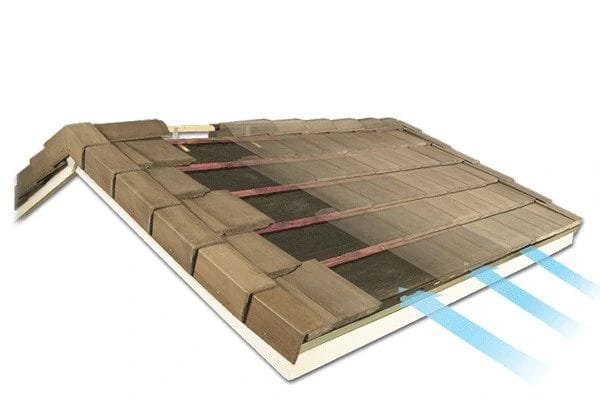
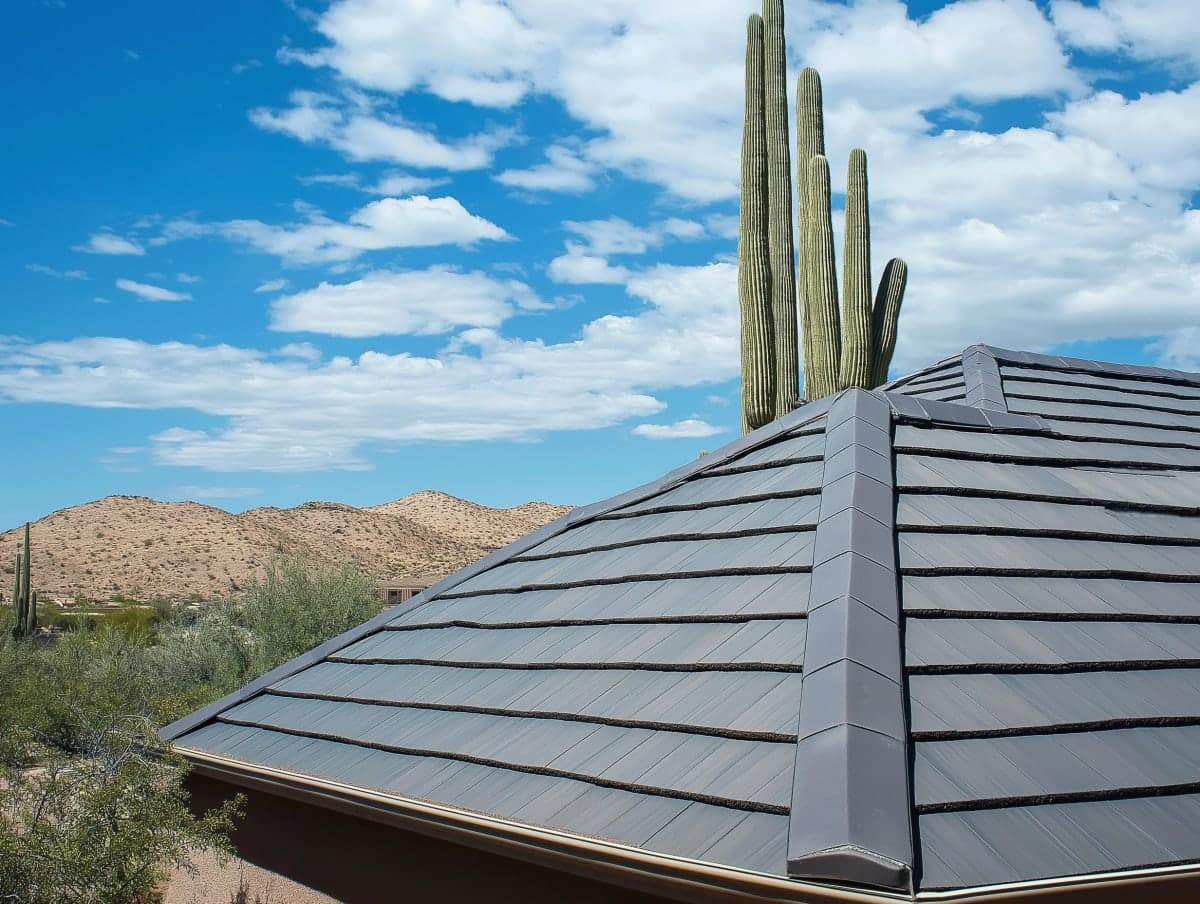
Westlake manufactures both clay and concrete tiles with cool roof-rated colors that maintain reflectivity even after years of Arizona sun exposure. These premium materials combine traditional Southwestern aesthetics with modern thermal performance, offering homeowners the best of both worlds. The natural composition of clay tiles provides inherent cooling advantages: air circulation beneath tiles creates ventilation that traditional shingles cannot match. When specified with proper color selection and installed over adequate ventilation systems, cool roof tiles deliver unmatched longevity and performance.
Reflective Coatings for Flat Roofs
Flat and low-slope roofs benefit tremendously from elastomeric reflective coatings that transform dark membrane surfaces into highly reflective shields. Popular in Tucson's Catalina Foothills and throughout commercial applications, these coatings provide excellent performance at modest cost. They extend existing roof life while dramatically reducing cooling loads, a rare combination of preservation and enhancement that appeals to budget-conscious homeowners.
Beyond Energy Savings: Additional Cool Roof Benefits
- ✓Extended roof lifespan: Reduced thermal stress means materials degrade more slowly, potentially adding 3-7 years to roof life
- ✓HVAC equipment longevity: Your air conditioning works less intensely and runs fewer hours, extending system life by 2-5 years typically
- ✓Improved comfort in unconditioned spaces: Garages, covered patios, and attics become usable rather than unbearably hot
- ✓Reduced urban heat island effect: Collectively, cool roofs help lower neighborhood temperatures, benefiting entire communities
- ✓Increased home resale value: Energy-efficient features resonate strongly with environmentally conscious buyers