Replacing your roof in Arizona isn't like anywhere else. Between scorching 115°F summers in Phoenix and intense monsoon seasons across Tucson, your roof faces challenges that would destroy standard materials in other states. It's your home's first defense against haboobs, torrential rains, and relentless UV exposure.
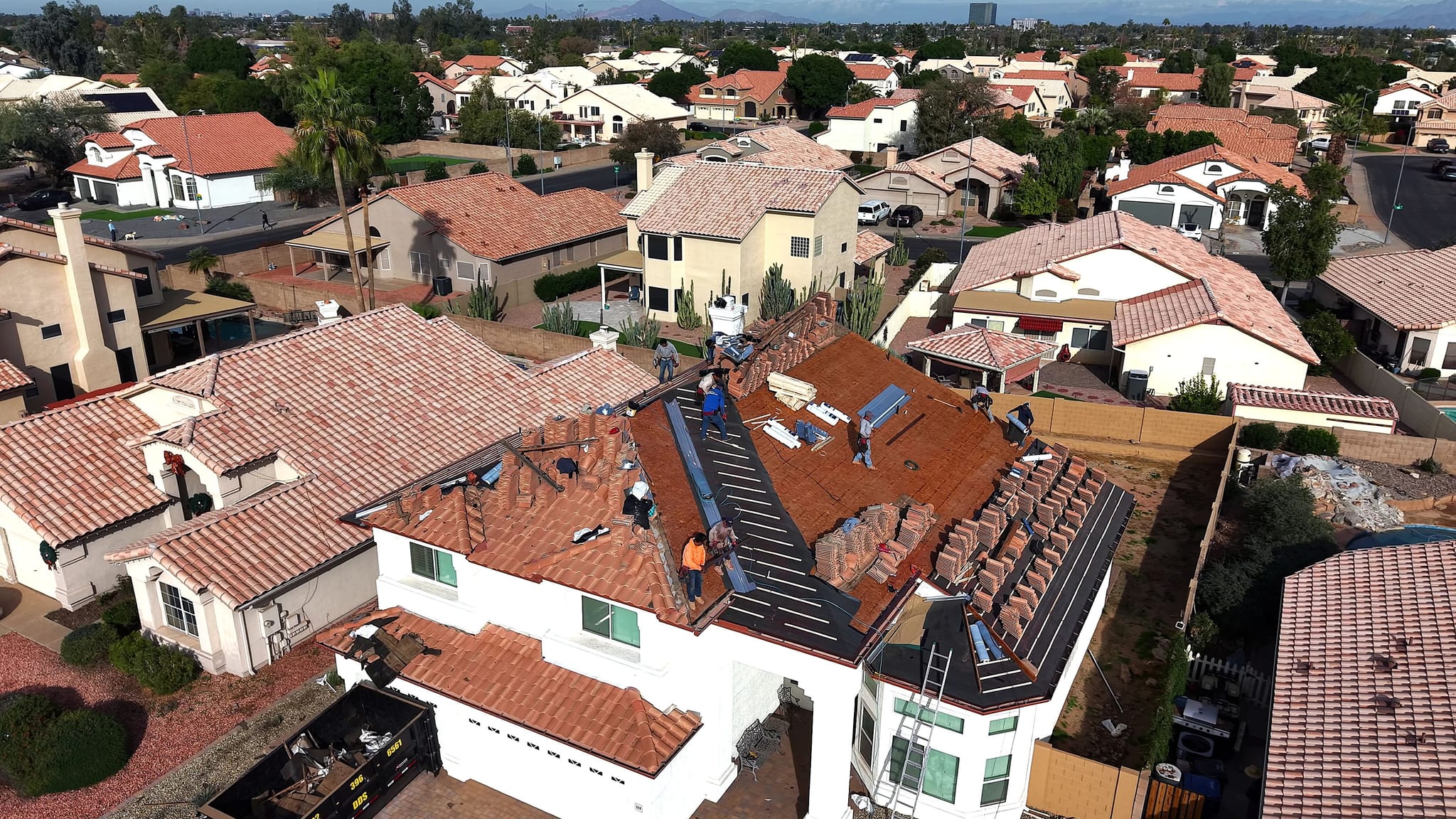
We replace roofs across the Valley, Southern Arizona and Northern Arizona, from GAF asphalt shingles in Scottsdale to clay tiles in Paradise Valley to standing-seam metal in Flagstaff. As a GAF Master Elite contractor, a credential held by roughly two percent of roofing contractors in North America, we have exclusive access to Westlake™ materials engineered specifically for our extreme climate. Here's what we've learned matters most.
1. Arizona Climate Demands Specific Materials
- Standard shingles fail in 5-7 years here. GAF HDZ with Westlake™ technology lasts 25+
- Tile offers durability but requires reinforced decking for monsoon winds
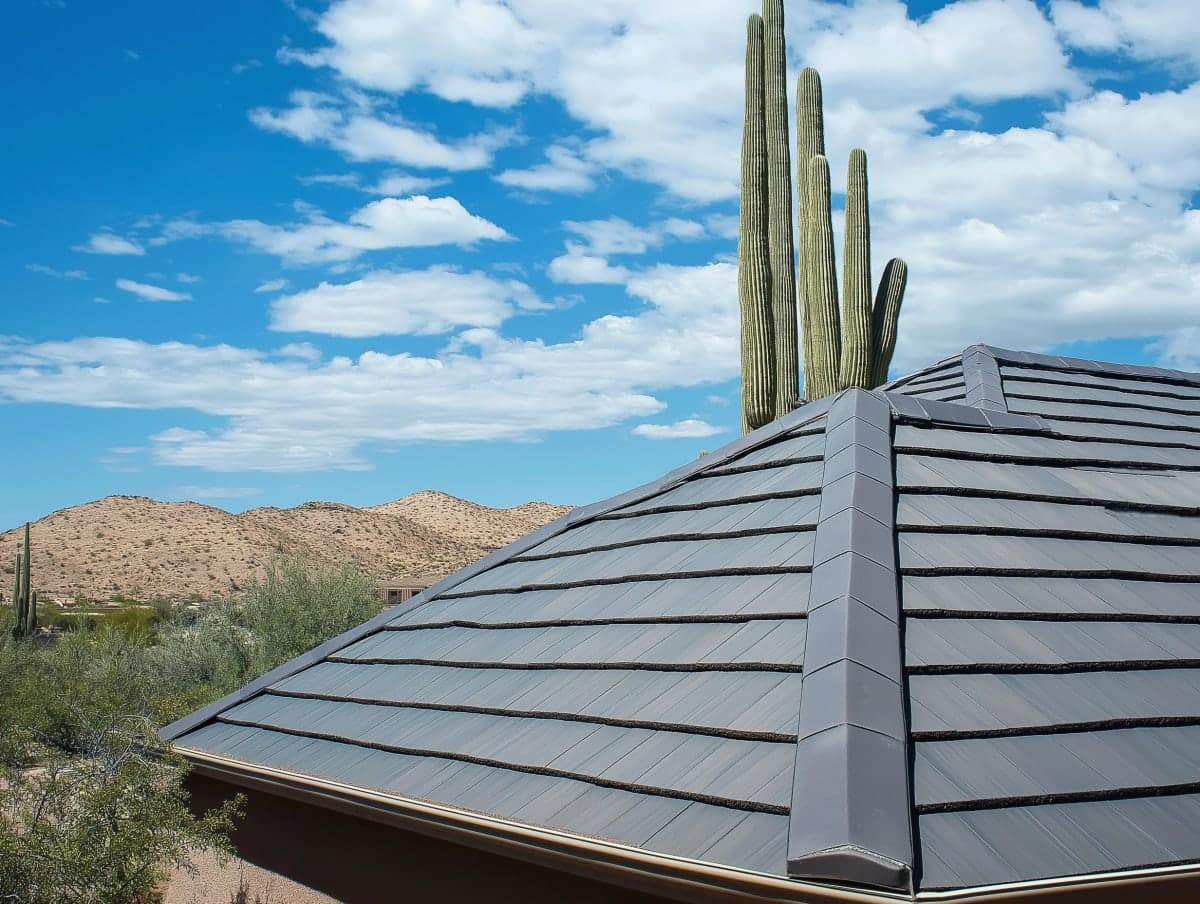
- Metal reflects heat beautifully but needs specialized installation for expansion/contraction
We've seen DIY store materials literally melt in Ahwatukee summers. Our GAF Master Elite certification gives us access to materials rated for 160°F+ roof temperatures, products you can't buy retail.
2. Monsoon Damage Escalates Fast
- One lifted tile in Cave Creek became a $15,000 interior repair after monsoon rains
- Dark streaks signal algae growth, common in Oro Valley's humidity pockets
- We offer free inspections before monsoon season (June-September)
3. Complete Replacement Includes Hidden Components
- Decking (often damaged by our intense UV)
- Underlayment (GAF FeltBuster® or Tiger Paw™ for desert conditions)
- Flashing (aluminum degrades faster here)
- Ridge venting (critical for 150°F+ attic temperatures)
- The visible roofing material
We never do cover-ups. Mesa building codes and our GAF Master Elite standards require complete tear-offs to inspect for heat damage underneath.
4. Northern Arizona Has Different Needs Than Phoenix
- Flagstaff needs snow load calculations (40 lbs/sq ft)
- Prescott faces hail: Class 4 impact resistance essential
- Phoenix/Tucson need maximum heat reflection and UV resistance